As per my development goals set after the submission of Bsc2a, I decided my Easter Break should be a well balanced mix of time with friends and family, uni work, as well as managing paid work. I did produce work throughout the Easter Break and keep in touch with my group.
Over Easter, we worked on gaining a wider understanding of the project and pushing our research forward. We focused on two main tasks, heuristic analysis of the existing product and competitor analysis. I will also discuss for each of these tasks how we split up the work between our group members to make the most effective use of our time and with research providing useful outputs as we move onto prototyping.
Heuristic Analysis of the existing product
We decided to reach the most scope in the amount of time we had, we would split up the desktop and mobile versions, so two group members would analyse the desktop version of the site and two would analyse the mobile version of the site.
I analysed the desktop version of the site.

Firstly, I want to touch on something that was important to me as we developed our research: organisation via hierarchy. We each assigned ourselves a rectangular card, and I chose to divide my card into well defined sections, each showing different areas of the website I analysed. I want it to be clear to the reader which section of the website they are looking at, as opposed to having all sections laid out together on the card. I was intentional about my design in order to make my research communicative and understandable to specialist and non-specialist audiences.
Next, I wanted to get the most out of heuristically analysing the site as well as making it viewable in different formats. I used Jakob’s 10 Usability Heuristics to draw positive and negative aspects of the UI. I was specific in my points, and also often pointed to specific UI elements to show exactly what on the screen I’m commenting on.
I labeled each comment with the number of each heuristic, and then produced a summery table of each section. For each heuristic (where the heuristic is necessary and included) I stated the issue and gave recommendations to fix these. This not only provided a visual showcase of Jakob Nielsen’s 10 Heuristics overlayed on the site itself, but also a summery to quickly see how each heuristic can be improved for each section. This was intentional and made the process following this more helpful.
Competitor Analysis
For our competitor analysis, we each chose a direct and indirect competitor and analysed their website’s UI and function. For my direct competitor analysis, I chose Laithwaites, a wine seller offering home delivery and features such as a wine subscription service. This allowed me to understand a competitor selling towards a younger, more modern audience. For my indirect competitor I chose Tesco Home Delivery, allowing me to learn more about a successful home delivery service and how the checkout and payment pages function.

As previously, I focused on a coherent design showcasing my comments and findings in a way that’s understandable to specialist and non-specialist audiences. I created a specific canvas for commenting on UI elements and function, and wrote a summery table underneath with key findings.
Collaboration and Working with Others
Throughout the Easter Break, we kept in touch on WhatsApp and Microsoft Teams to stay on the same page and make sure we’re doing our work correctly.
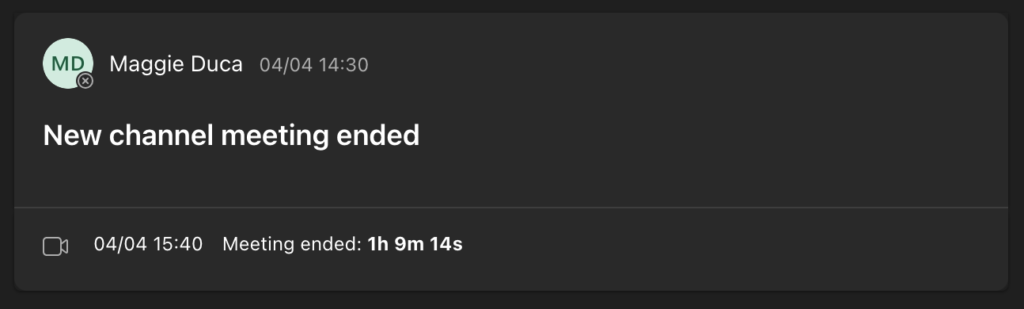
We discussed on Microsoft Teams our findings to inform the group of our progress and development. We gave each-other feedback and found similarities in our research.